
How We Work
How We Can Work Together
Ten Lives has developed its approach to community cat management through years of working alongside communities, councils, researchers and other organisations.
Our involvement in the Bruny Island Cat Management Project was an important starting point, bringing together cat welfare, scientific research, government, land managers and the local community. The lessons from that work have continued to shape and strengthen our approach in other communities.
There is no single solution that works everywhere. Instead, we developted and use a structured six-phase model that starts with listening and understanding, then develops practical responses around the needs of each community.
Ten Lives provides specialist cat management expertise, an established project model and our cat management facility, along with in-kind support including project planning, community engagement, education, communications, and the design and production of project materials.
Community cat management projects require local funding and resources to put plans into action. Ten Lives does not fund community projects, but we can help communities, councils and partner organisations understand likely costs, identify priorities and explore potential funding sources, grants, co-contributions and other local support.
Our approach
The partners, priorities and actions may vary from place to place, but the process remains consistent.

Consultation and engagement
We begin by bringing the right people together and listening to the community.
This can include residents, councils, community organisations, housing and human services and others who understand local needs. Together, we identify concerns, existing support and areas that may need closer attention.

Understand the local picture
We gather information to understand both the cat population and the people and places around it.
Community surveys, camera monitoring, known feeding sites, shelter data and local knowledge can help identify where cats are concentrated, where support may be needed and what services are already available.
Plan the response
Once we understand what is happening, project partners work together to decide where effort and resources will have the greatest benefit.
The response might include desexing and microchipping programs, household support, education, improved feeding or waste management, or humane trapping where needed.
Put the plan into action
Practical support is then delivered where it is needed.
This can combine cat management activities with direct support for households, referrals to other services, community education and work with local partners. The aim is to improve cat welfare, reduce unmanaged breeding and support lasting change within the community.
Monitor and evaluate
We continue to measure what is happening after activities begin.
Follow-up with the local community, camera monitoring, shelter intake data and community feedback help us understand what has changed, what is working and where further action may be needed.
Maintain progress
Community cat management does not simply finish when the initial project ends.
Periodic monitoring, continued support for local communities and ongoing communication between project partners help identify emerging issues early and maintain the progress that has been made.
The model in practice
The same six phases can be adapted to very different communities. What changes is the mix of partners, local priorities and practical actions.

Bruny Island
Bruny Island helped establish many of the principles behind the model, bringing together community engagement, research, monitoring, cat welfare and collaboration between multiple organisations.
Richmond
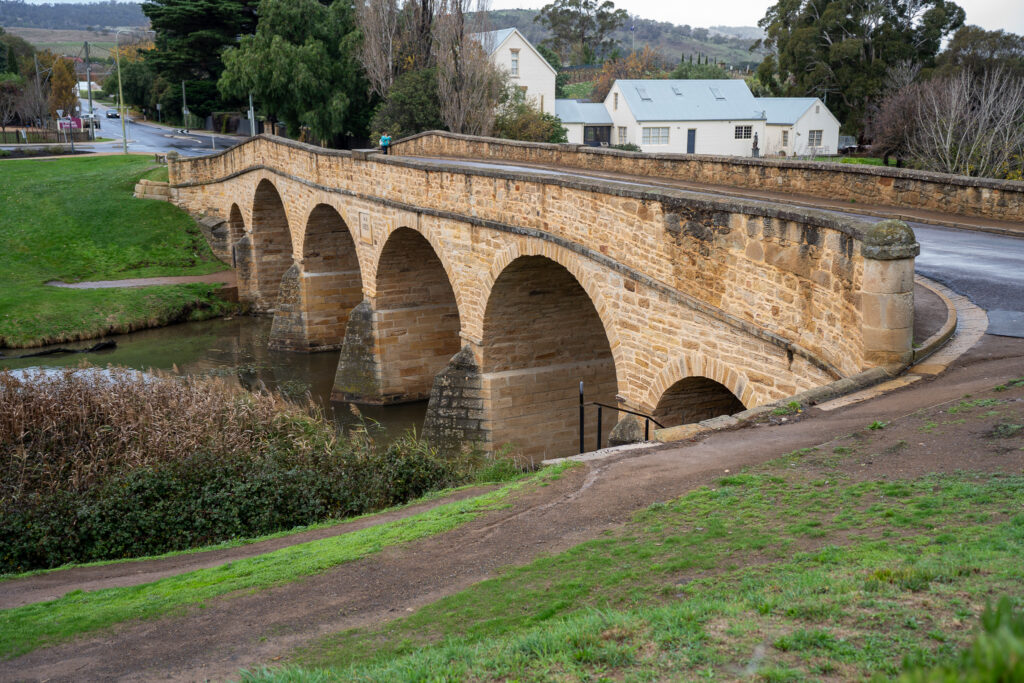
Richmond gave Ten Lives the opportunity to apply those learnings directly, using shelter data, community consultation and monitoring to understand local needs before planning a response.

Midway Point
At Midway Point, consultation and local evidence helped identify practical barriers including the affordability of desexing, allowing support to be directed where it could make the greatest difference.
Sandford
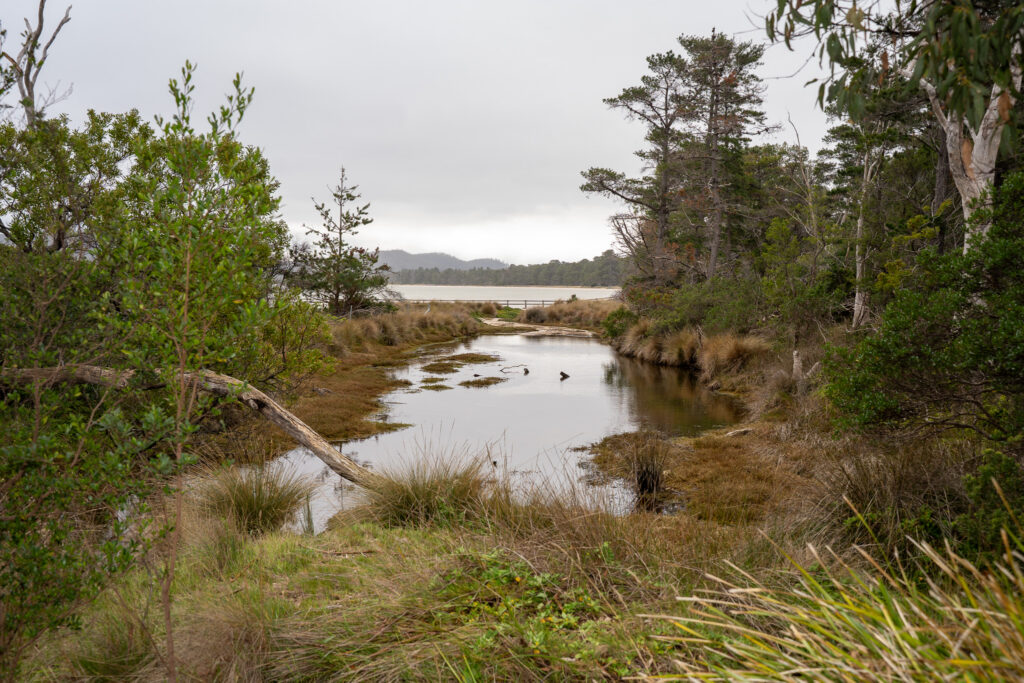
Sandford demonstrates how the model can support a community-driven project, with residents, community groups, council and specialist organisations contributing different knowledge, resources and connections.
Built to be shared
The strength of the model is that the process remains consistent while the response changes to suit the community.
Ten Lives can contribute cat welfare, veterinary, education, monitoring and project experience. We can also help partners scope the resources required and consider possible funding pathways. Councils, community groups, service providers and residents bring local knowledge, relationships, funding opportunities and other expertise.
By working through the six phases together, communities can move from understanding the issue to practical action, evaluation and long-term maintenance.
Every project will look a little different, but the foundations remain the same.